Smiley Turtle: A Cool, Techno Display Font for Modern Designs
When you're working on a project that needs to feel both futuristic and approachable, finding the right typeface can be a challenge. You want something that grabs attention without feeling cold or overly technical. Enter Smiley Turtle, a display font that strikes a unique balance. It carries a cool, techno-inspired aesthetic with a subtle, friendly undertone, making it a versatile premium font for a wide range of creative endeavors. This isn't just another geometric typeface; it has character.
Understanding the Visual Personality of Smiley Turtle
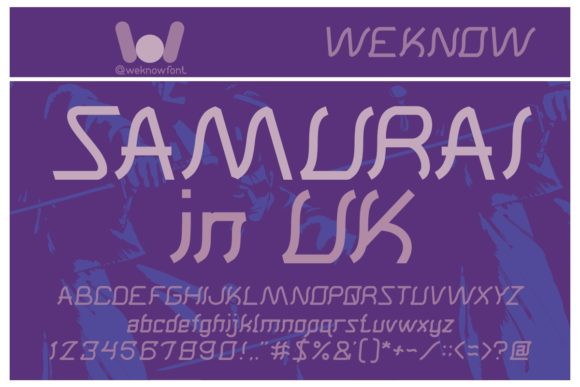
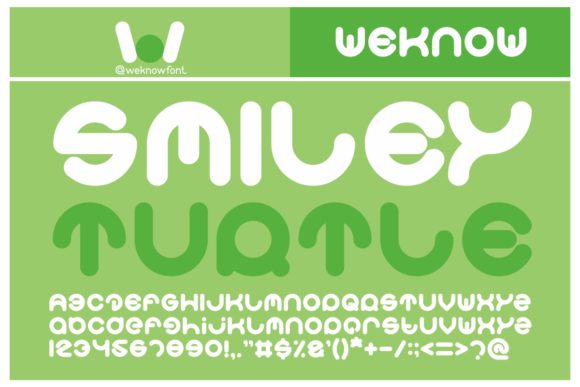
At its core, Smiley Turtle is a display font designed for impact. Its letterforms often feature clean, structured lines, rounded terminals, and a consistent, rhythmic quality that feels distinctly modern. Think of the sleek interfaces in tech branding or the bold headlines in contemporary editorial design. The "techno" aspect comes from its precise geometry and often modular construction, which can evoke a sense of innovation and clarity. Yet, the name hints at something more—the slight softness in its curves prevents it from feeling sterile, adding a layer of approachability that purely geometric sans serif fonts sometimes lack.
This duality is its strength. Smiley Turtle doesn't scream for attention with wild flourishes like a script font might. Instead, it commands the space with confident, readable shapes that work exceptionally well at larger scales. Its personality is professional yet creative, making it suitable for projects that need to communicate reliability and forward-thinking ideas simultaneously.
Where Smiley Turtle Shines: Practical Applications
The true value of any creative font is measured by its utility. Where does Smiley Turtle work best? Its strength lies in applications where headlines, titles, or short bursts of text need to establish a strong visual hierarchy and set a specific tone.
For logo design and brand identity, Smiley Turtle can be a fantastic choice for brands in the tech sector, digital services, gaming, or any startup wanting to project innovation with a human touch. It helps build brand recognition through a unique typographic voice that stands apart from overused corporate fonts. In packaging design, particularly for products like electronics, energy drinks, or modern lifestyle goods, it can make shelf appeal immediate and clear.
In the realm of web design and social media graphics, this modern typography choice excels. Use it for hero section headings, call-to-action buttons, or event promotion graphics on platforms like Instagram and LinkedIn. Its clarity ensures messages are understood quickly, which is crucial for digital engagement. For publishing, think magazine covers, chapter openers, or promotional posters for events—it has the presence needed for editorial design that needs to pop.
Making Smiley Turtle Work for Your Project
Choosing a font is a practical decision. Before committing, evaluate if Smiley Turtle aligns with your project's goals. Its techno style might not suit a brand built on traditional, handcrafted values, where a handwritten font or classic serif font would be more appropriate. However, for anything leaning contemporary, digital, or innovative, it’s worth serious consideration.
A critical step is font pairing. A powerful display font like Smiley Turtle needs a supporting cast. It typically pairs beautifully with clean, neutral sans serif fonts for body copy. Think of fonts like Open Sans, Roboto, or Lato. This creates a clear visual hierarchy: the display font captures interest for headlines, while the simpler sans serif ensures long-form text remains highly readable. Avoid pairing it with another highly decorative font, which can create visual clutter.
Always check the full character set and styles included with your font asset. Does it come with multiple weights? Are there stylistic alternates or ligatures that can add extra flair to specific projects? For commercial use, especially in client work or product sales, ensure you have the correct commercial font license. This protects you legally and supports the type designers who create these valuable design assets.
Finally, test it rigorously. Mock up a few key applications—a social media post, a website header, a product label. See how it performs in context. Does it maintain readability at the sizes you need? Does it support the professional image you want to project? Does it help your content achieve better audience engagement? Answering these questions will tell you if Smiley Turtle is the right tool for the job.