Happy High: The Cool, Fresh Display Font for Bold Ideas
Let's be honest, finding the right typeface can feel like searching for a specific grain of sand on a vast beach. You need something with personality, but it can't overpower your message. It has to be fresh and contemporary, yet versatile enough for a range of projects. This is where a well-crafted display font like Happy High enters the conversation. It’s not just another set of letters; it’s a design asset built to inject a specific energy into your work, helping your creative ideas land with more impact and clarity.
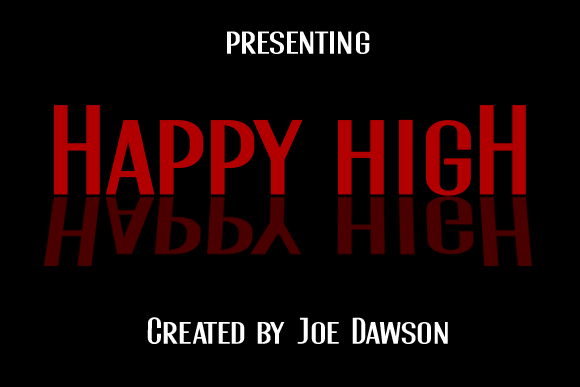
At its core, Happy High is a cool, fresh, and neat display typeface. Think of it as the typographic equivalent of a crisp, modern aesthetic. Its characters are often defined by clean lines, balanced proportions, and a subtle geometric influence that keeps it feeling orderly and sophisticated. Yet, it avoids being sterile. There’s a lightness to its form, a certain buoyancy that makes it feel approachable and energetic. This isn't a heavy, imposing serif font, nor is it a purely functional sans serif font. It occupies a unique space—perfect for headlines, logos, and any situation where you need to make a clear, confident, and stylish statement without shouting.
Where Happy High Truly Shines
Understanding a font's personality is one thing; knowing where to deploy it is where the real craft comes in. Happy High excels in applications where visual appeal and first impressions are paramount. Its strength lies in its ability to act as a visual hook, drawing the viewer in before they've even fully processed the words.
Consider its role in brand identity. For a startup, a boutique agency, or a lifestyle brand, Happy High can form the backbone of a memorable logo. Its clean geometry ensures legibility at various sizes, from a website favicon to a large-format sign, while its distinct personality helps differentiate the brand in a crowded market. It communicates modernity, creativity, and a certain effortless cool—qualities many businesses want to project.
Beyond logos, this creative font is a powerhouse for packaging design. On a shelf filled with competing products, a package using Happy High for its product name can instantly signal a modern, premium, and approachable offering. It works beautifully for everything from craft coffee bags and artisanal skincare to tech accessories and specialty foods. The font’s neatness ensures essential information remains readable, while its style elevates the entire design.
In the digital realm, its applications are equally broad. For web design, using Happy High for hero section headlines or key call-to-action phrases can significantly boost engagement. It sets a tone immediately. Similarly, for social media graphics—think Instagram stories, Pinterest pins, or Facebook ads—this display font helps create thumb-stopping content. It’s bold enough to be noticed in a fast-scrolling feed but refined enough to maintain a professional look.
The Practical Side: Choosing and Using Happy High
Adopting any new design asset requires a practical evaluation. Before integrating Happy High into your project, it’s worth taking a moment to assess the fit. Ask yourself: Does the font's cool, fresh personality align with my project's core message and target audience? A font that feels perfect for a youthful tech blog might not be the best choice for a traditional law firm's annual report.
One of the most critical steps is testing font pairing. A strong display font like Happy High needs a complementary partner for body text to ensure overall readability. It often pairs exceptionally well with a clean, neutral sans serif font or a simple, classic serif font. The contrast between the stylized headline and the straightforward body copy creates a natural visual hierarchy, guiding the reader's eye through your content smoothly. Avoid pairing it with another highly decorative script font or handwritten font, as this can create visual chaos.
When you acquire Happy High, take time to review the full package. A quality premium font often includes more than just the basic uppercase and lowercase letters. Look for additional styles like bold or light weights, which can expand your typographic toolkit. Check for a comprehensive character set that includes numerals, punctuation, and extended Latin characters if your project has an international audience. Also, carefully read the commercial licensing terms. Understanding whether the license covers digital, print, and merchandise use is crucial for any professional or commercial project to avoid legal headaches down the line.
Finally, never underestimate the power of context. The same font can feel different depending on its color, size, spacing, and surrounding elements. Set a test headline in Happy High using your brand’s color palette. See how it looks with generous letter-spacing for an airy feel, or tightened up for a more compact, punchy impact. This hands-on testing is irreplaceable. It moves you from simply choosing a font to actively designing with it, ensuring that Happy High doesn’t just look good in a specimen sheet, but truly works to elevate your specific project and connect with your intended audience. Its potential is there, but realizing it is all in the application.