Pinky: The Playful Display Font That Brings Designs to Life
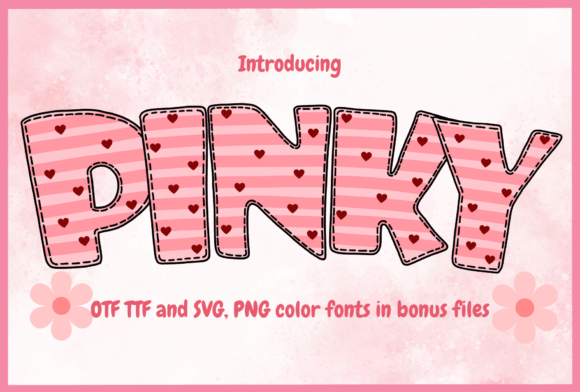
When you need a typeface that immediately communicates fun, energy, and a touch of whimsy, the search can feel endless. You want something that stands out without being illegible, something that feels modern yet timeless in its appeal. This is where Pinky enters the conversation. It’s a cute and colorful display font, but that simple description doesn’t fully capture its utility. At its core, Pinky is a design tool engineered for impact, specifically in contexts where joy and approachability are paramount.
Visual Character and Personality
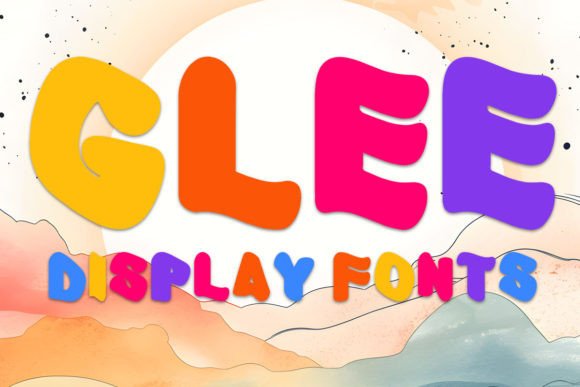
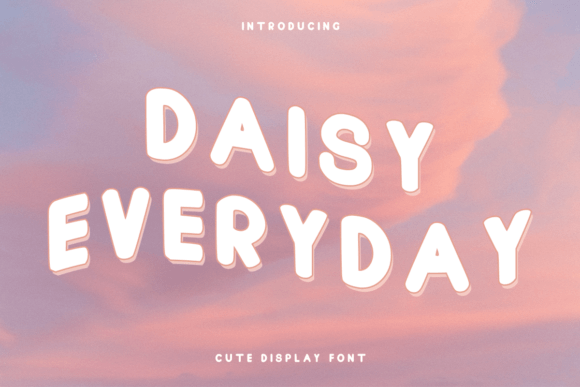
Pinky is best described as a chunky, rounded display typeface. The letterforms are intentionally bold and substantial, creating a visual weight that commands attention on any canvas. Unlike sharp, geometric sans serif fonts that can feel corporate or sterile, Pinky softens its edges. The terminals are rounded, and the overall structure feels inflated, almost like bubble letters crafted with precision. This design choice eliminates harsh angles, which psychologically signals safety and friendliness to the viewer.
The personality of this font is undeniably authentic. It avoids the trap of looking overly cartoonish or childish in a way that alienates adults. Instead, it strikes a balance that feels contemporary. The spacing and kerning are typically adjusted to ensure that while the letters are bold, they don’t crowd one another. This creates a rhythm that is easy on the eyes, making it a reliable choice for headers where you need the text to be absorbed quickly. Whether you are designing a logo or a social media banner, the visual characteristics of Pinky ensure that the message is delivered with a smile.
Strategic Applications in Modern Design
Understanding where to deploy a font like Pinky is just as important as the font itself. Because it is a display font, its primary strength lies in headlines, logos, and short bursts of text rather than long-form body copy. However, its versatility across different mediums is surprisingly broad.
Branding and Logo Design
For entrepreneurs and small business owners, brand identity is everything. If your brand caters to children, families, education, or lifestyle sectors, Pinky offers a strong foundation for your logo design. A chunky font like this ensures legibility even when scaled down to the size of a favicon or a social media profile picture. It suggests that a brand is accessible and transparent. When used in a logo, it can help a business stand out against competitors who rely on standard, safe typography choices.
Digital and Web Presence
In the realm of web design, readability is king, but hierarchy is the queen that keeps the court in order. Pinky serves exceptionally well for H1 and H2 headers on landing pages. Its bold nature creates an immediate visual hierarchy, drawing the eye to the most important information first. For bloggers and content creators, using Pinky for article titles or pull quotes can break the monotony of standard body text, increasing reader engagement and time on page. It adds a layer of editorial design flair that feels curated and professional.
Packaging and Physical Products
Print design requires a different level of scrutiny. In packaging design, especially for food, toys, or stationery, the shelf appeal is critical. Pinky’s "chunky" nature holds up well in print because it has a solid mass of ink coverage. It pops off the packaging, making it easy for consumers to identify the product from a distance. The font’s playful vibe aligns perfectly with products intended to bring joy or utility to daily life.
Technical Considerations and Font Pairing
While Pinky is a powerhouse on its own, no font is an island. Effective typography often involves pairing two distinct typefaces to create contrast and balance. Because Pinky is heavy, rounded, and distinct, it pairs best with lighter, more neutral companions.
A classic strategy is to pair this display font with a clean sans serif font for body copy. Fonts like Lato, Open Sans, or Roboto provide a neutral background that allows Pinky to shine without competing for attention. Alternatively, for a more editorial or sophisticated look, you might pair it with a traditional serif font. The contrast between the playful, modern letterforms of Pinky and the structured, classic nature of a serif can create a dynamic visual tension that feels high-end yet approachable.
It is generally advisable to avoid pairing Pinky with a script font or another heavy handwritten font. Doing so can result in a cluttered aesthetic where the viewer doesn't know where to look. The goal is clarity. Let Pinky handle the "shouting" in the headlines, and let a quieter font handle the "talking" in the paragraphs.
Practical Guidance for Implementation
Before integrating Pinky into your workflow, it is helpful to evaluate the specific needs of your project. Here are a few practical considerations to keep in mind:
- Readability at Scale: Always test the font at the size it will actually be viewed. A display font might look great on a 27-inch monitor but could lose definition on a small mobile screen if the weight is too heavy or the tracking is too tight.
- Color and Contrast: Chunky fonts like Pinky work beautifully with vibrant colors. However, be mindful of color contrast ratios, especially for web accessibility. The thick strokes allow for a bit more flexibility with lighter colors, but dark text on a light background remains the gold standard for readability.
- Spacing Adjustments: Depending on the software you use, you may need to adjust the tracking (letter-spacing) slightly. For very large headlines, opening up the tracking can make the text feel more airy and premium. For smaller sub-headings, standard spacing usually works best.
- Licensing: If you are using this for a commercial project—such as a client logo, merchandise, or a paid app—ensure you have the correct commercial font license. Most premium fonts come with clear licensing tiers, but always double-check the terms to avoid legal issues down the road.
Conclusion
Pinky is more than just a cute typeface; it is a versatile design asset