Planner: A Monoline Font for Winter and Kids’ Projects
When you’re building a brand or a product line, the smallest details often carry the most weight. The curve of a letter, the spacing between characters, the overall rhythm of a typeface—these elements shape how people feel about your work before they read a single word. That’s why choosing the right font matters so much. If you’ve been searching for a typeface that feels fresh, approachable, and versatile without being generic, Planner deserves a closer look.
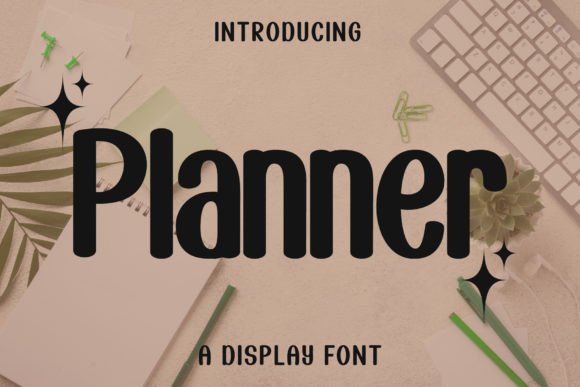
Planner is a monoline and skinny display font with a personality that sits somewhere between playful and polished. The letterforms are clean and consistent in stroke width, giving the typeface a hand-drawn quality that feels warm without being messy. There’s a lightness to it—a sense of air and openness that makes it naturally inviting. The skinny proportions keep things modern and airy, while the monoline structure ensures every character holds its own on the page or screen.
Where Planner Truly Shines
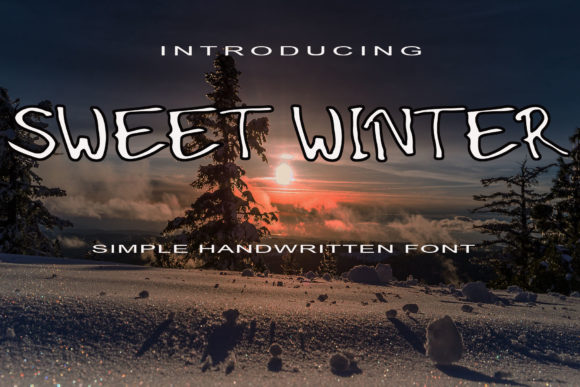
Think about the projects where you need a font to feel friendly but not childish, stylish but not cold. Planner fits that sweet spot remarkably well. It’s an excellent choice for winter-themed designs, where the clean lines evoke crisp snow and cozy aesthetics without relying on heavy, ornate lettering. Imagine it on holiday greeting cards, seasonal packaging, or winter sale banners—it carries that festive spirit with a lightness that feels contemporary rather than traditional.
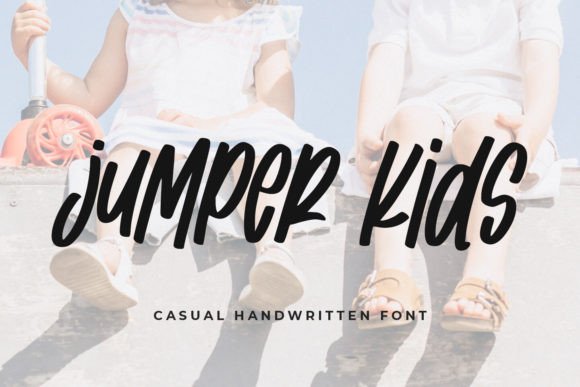
For kids’-related products, Planner offers something genuinely useful. Children’s books, activity kits, educational materials, and toy packaging all benefit from a typeface that feels approachable and easy to read. Because Planner is a display font rather than a body text face, it works best for titles, headings, and short bursts of text where personality matters most. Pair it with a simple sans serif font for longer descriptions, and you’ve got a combination that feels professional yet inviting.
- T-shirts and apparel: The skinny monoline style translates beautifully to screen printing and direct-to-garment methods. It reads clearly on fabric and has enough character to stand on its own without competing with graphics.
- Stickers and decals: Clean lines make Planner a strong choice for die-cut stickers, planner stickers, and decorative labels. The consistent stroke weight ensures it reproduces well at smaller sizes.
- Book covers and editorial design: Whether you’re designing a children’s picture book, a cookbook, or a lifestyle magazine cover, Planner adds a distinctive voice to your title treatments without overwhelming the overall layout.
- Social media graphics: In a feed full of bold, heavy fonts, Planner offers a refreshing alternative. It works particularly well for quotes, announcements, and branded content where you want a softer, more personal tone.
- Packaging design: From artisan food products to handmade cosmetics, Planner brings a crafted quality that suggests care and attention without feeling overly formal.
Understanding the Font’s Personality
Every typeface carries emotional weight. Serif fonts often feel traditional and trustworthy. Sans serif fonts lean modern and clean. Script fonts bring elegance or whimsy. Planner occupies its own space—it has the precision of a sans serif but the warmth of a handwritten font. That duality is what makes it so versatile. It can feel playful in one context and sophisticated in another, depending on how you use it and what you pair it with.
This kind of flexibility is valuable for brand identity work. If you’re a small business owner building a visual language from scratch, a font like Planner gives you room to express personality across multiple touchpoints. Use it for your logo design, carry it into your social media graphics, and let it define the tone of your packaging. Consistency across these elements builds recognition, and recognition builds trust.
Practical Tips for Working With Planner
Before committing to any font for a project, test it in context. Set your actual headlines and see how the letterforms interact with your imagery. Check the spacing at the sizes you’ll actually use. Planner is a premium font that includes a range of glyphs, and because it’s PUA encoded, you can access every character through standard design software without special workarounds. That means swashes, alternates, and special characters are all at your fingertips, which gives you more creative control over your layouts.
Font pairing is where many designers either elevate a project or miss the mark. Because Planner has a distinct personality, it benefits from being paired with something more neutral. A clean sans serif like Montserrat or Lato makes a strong companion for body text. If you want to lean into a more editorial feel, a light serif font can create an interesting contrast. Avoid pairing it with other highly stylized fonts—two competing personalities will confuse the visual hierarchy and dilute the impact of both.
Readability deserves honest attention here. Planner is a display typeface, which means it’s designed for impact at larger sizes. It performs beautifully for headlines, titles, logos, and short callouts. It’s not the right choice for paragraphs of body copy—no display font is. Understanding this distinction is part of working with modern typography effectively. Use Planner where it has room to breathe, and let a workhorse font handle the heavy lifting elsewhere.
Licensing and Commercial Use
If you’re planning to use Planner for commercial projects—and given its versatility, you probably are—make sure you understand the licensing terms. Most premium fonts come with specific allowances for personal versus commercial use. Review the license before you start production, especially if you’re creating products for sale like t-shirts, books, or merchandise. This isn’t just about compliance; it’s about respecting the work of the type designers who created the asset you’re using.
Good design assets save time and elevate quality. A well-crafted font is one of the most powerful tools in your creative kit, and Planner delivers real value across a surprisingly wide range of applications. Whether you’re a designer refining a client’s brand identity, an entrepreneur launching a product line, or a crafter building an Etsy shop, having a font that feels both distinctive and adaptable changes how you approach every project. Planner doesn’t try to be everything—it just happens to work beautifully in more places than you might expect.