Y2K Font: Injecting Millennial Maximalism Into Your Projects
There is a distinct feeling that washes over you when you look back at the turn of the millennium—a mix of metallic optimism, early internet chaos, and a bold refusal to be subtle. We are talking about the era of frosted lip gloss, translucent technology, and a digital aesthetic that was just learning how to walk. For designers and creatives today, the Y2K style isn’t just a fleeting trend; it’s a rich visual language that communicates fun, futurism, and a bit of rebellious nostalgia. If you are looking to inject that specific energy into your work, understanding how to wield a Y2K font is your first step to launching your projects into a new orbit.
The Anatomy of the Y2K Aesthetic
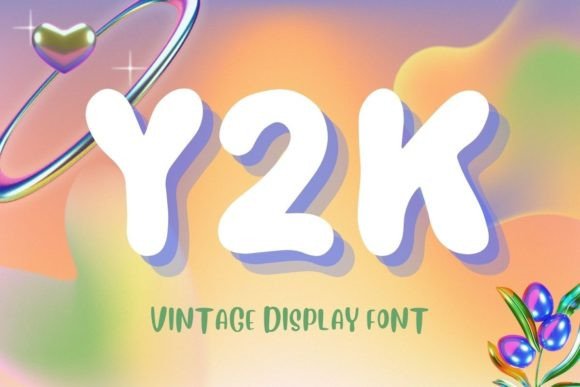
To use this style effectively, you have to understand its DNA. The Y2K design era—roughly spanning the late 1990s to the early 2000s—was obsessed with the future, but a specific kind of future. It was the future as imagined by pop stars and tech startups. Visually, this translates to a heavy use of shiny materials, iridescent colors, bubble shapes, and star motifs. The typography of the time matched this energy perfectly. You rarely saw a "quiet" font during this period. Instead, you saw display font families that were bubbly, distorted, or aggressively technological.
The personality of a typical Y2K font is high-energy. It often features exaggerated curves, sharp geometric cuts, or that signature "melting" effect that looks like it belongs on a vintage CD cover. Whether it is a sans serif font with rounded terminals or a script font that mimics the erratic flow of early digital handwriting, the goal is always to grab attention. It is a creative font style that refuses to blend into the background. When you incorporate this into your brand identity, you are telling your audience that you are approachable, trendy, and unafraid of color.
Practical Applications: From Logos to Packaging
The versatility of the Y2K style might surprise you. While it is naturally suited for specific niches, a skilled designer can adapt it for a variety of markets. The key is knowing where the aesthetic shines brightest and where it needs to be dialed back.
- Logo Design and Branding: If you are building a brand for a clothing line, a beauty product, or a podcast targeting Gen Z and Millennials, a Y2K font is a goldmine. It creates instant recognition. Use a heavy, bubbly typeface for your main logo to establish a strong visual anchor. This works incredibly well for brands that want to feel "internet native" or culture-focused.
- Web Design and UI: The early web was chaotic, but modern web design can use Y2K elements with more sophistication. Consider using a Y2K-inspired premium font for hero headers or call-to-action buttons. It breaks the monotony of standard corporate layouts and adds a layer of personality that standard system fonts lack.
- Social Media Graphics: This is perhaps the most natural habitat for this style. On platforms like Instagram or TikTok, attention spans are short. A bold, stylized font creates stop-scrolling power. Use it for stories, reels covers, and promotional graphics to create a cohesive, trendy feed.
- Packaging Design: Think about packaging design for limited edition drops. The Y2K aesthetic thrives on "hype." Metallic foils combined with a futuristic typeface can make a physical product feel like a collector's item.
Mastering the Pairing and Hierarchy
One of the biggest mistakes creatives make when using a creative font like a Y2K style is overloading the page. Because these fonts are visually "loud," they demand space. If you use a decorative, bubbly font for your headline, your body copy needs to breathe.
This is where font pairing becomes critical. A Y2K display font rarely works for long paragraphs; the readability drops significantly when the eye has to process complex shapes for hundreds of words. Instead, pair your Y2K header with a clean, modern sans serif font or even a minimalist serif font for the body text. This contrast creates a visual hierarchy that guides the reader naturally. The Y2K font grabs them, and the clean font keeps them reading.
When evaluating your design assets, look at the included styles. A high-quality commercial font family will often include variations—perhaps an outline version, a solid fill, or a shadow layer. These extras are invaluable for creating depth in editorial design or magazine layouts without needing to rely on additional graphic effects.
Real-World Evaluation and Licensing
Before you commit to a typeface, you need to treat it like a strategic business decision, not just an artistic one. Here is a practical checklist for choosing the right Y2K typeface for your project:
- Test the Legibility: Zoom out. Can you read the header at thumbnail size? This is vital for social media graphics and favicon usage. If the letters meld together when small, look for a style with more distinct letterforms.
- Check the Glyph Set: Does the font support multiple languages? Does it have special ligatures or alternates? These features allow you to customize the look so it doesn't appear "stock" to other designers who might recognize the typeface.
- Evaluate the Vibe: Does the font lean more "retro tech" or "pop star"? A Y2K font with sharp, slanted edges feels fast and aggressive (good for sports or tech), while a rounded, bubbly font feels soft and playful (good for beauty or lifestyle).
- Review the License: This is the most unglamorous but necessary step. Ensure you are purchasing a commercial font license that covers your specific use case. If you are a small business owner selling merchandise, you need a license that covers physical products (print), not just digital web use. If you are a publisher, check the terms for embedding fonts in PDFs or apps.
Bringing It All Together
Ultimately, the resurgence of Y2K design is about embracing maximalism in a minimalist world. It is a style that celebrates imperfection, digital textures, and a sense of playful optimism. By carefully selecting a premium font that embodies these traits and pairing it with solid modern typography principles, you can create brand identity systems that feel fresh and culturally relevant.
Don't be afraid to experiment. Try setting your next campaign headline in a chrome-effect typeface. Use a handwritten font with a digital glitch overlay for a zine. The tools are there to help you break the rules. When you find the right balance, you aren't just designing; you are creating an experience that resonates. That is the magic of the Y2K era—it was never afraid to be seen. Take that energy, apply it to your next project, and watch your audience engage like it’s 1999.