Discovering the Charm of the Smile Rabbit Typeface
Finding a typeface that carries genuine personality without sacrificing utility is a common challenge for creatives. We often sift through endless libraries of sans serif and serif font options, searching for that perfect display font that can anchor a design. Smile Rabbit enters this landscape as a premium font designed specifically to bridge the gap between whimsical charm and professional application. It is not merely a collection of letters; it is a design asset built to evoke warmth, curiosity, and a playful spirit. For anyone working on projects targeting families, children, or brands that want to appear approachable, understanding the nuances of this typeface can significantly elevate the final product.
A Closer Look at the Visual Identity
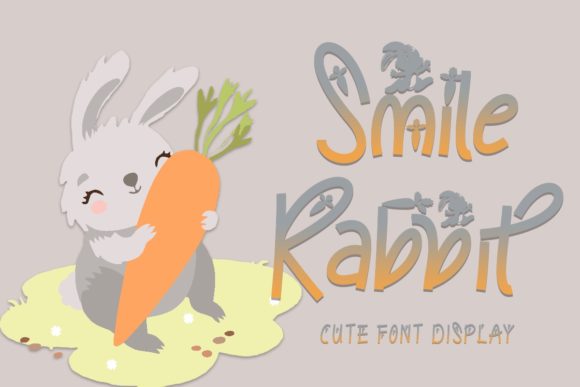
At its core, Smile Rabbit is a display font, meaning it is crafted to be used at larger sizes where its details can truly shine. Visually, it blends elements of a handwritten font with the structural integrity of a modern typography specimen. The letterforms often feature soft, rounded edges and subtle irregularities that mimic the organic flow of hand-lettering, yet they maintain enough consistency to ensure legibility. This balance is crucial. While many script fonts or decorative typefaces can become illegible when scaled down or used in body text, Smile Rabbit retains its shape. The x-height is generally generous, which helps the font feel grounded and readable even when used for medium-length headlines or brand names.
The personality of Smile Rabbit is undeniably cheerful. It does not carry the aggressive geometry of a futuristic tech font, nor the stuffy seriousness of a traditional corporate typeface. Instead, it offers a visual "voice" that sounds friendly and imaginative. This makes it a standout choice for creative font selections where the goal is to lower the viewer's guard and invite them into a story. Whether you are designing a book cover for a middle-grade novel or creating social media graphics for a bakery, the aesthetic of this font suggests that the content behind it is meant to be enjoyed.
Strategic Applications for Designers and Brands
When integrating a typeface like Smile Rabbit into a project, context is everything. Because it is a display font, it performs best in roles where it can act as the focal point of the typography. It is rarely the right choice for long paragraphs of body copy, but it excels in headlines, titles, and logos.
Packaging and Editorial Design
In packaging design, particularly for products aimed at children or the gourmet food market, this font can instantly communicate "handcrafted" quality. Imagine a jam jar label or a box of organic cookies; Smile Rabbit can provide the artisanal touch that sans serif fonts often lack. Similarly, in editorial design, such as magazine covers or chapter openers, it serves as a visual hook. It draws the eye without overwhelming the accompanying imagery, allowing for a dynamic layout where text and graphics work in harmony.
Logo Design and Brand Identity
Using Smile Rabbit for logo design requires careful consideration of the brand's longevity. It is an excellent fit for startups in the toy industry, children's clothing lines, educational apps, or family-friendly cafes. The font helps build a brand identity that feels accessible and human. However, for brands that may need to pivot toward a more serious or corporate image in the future, it is wise to pair it with a neutral serif font or a clean sans serif for supporting text. This ensures the brand has the flexibility to communicate complex information without relying entirely on the playful tone of the display type.
Digital Presence and Web Design
In web design, Smile Rabbit is best reserved for hero sections, call-to-action buttons, or specific feature headings. Using it sparingly prevents the site from looking cluttered while still injecting personality into the user interface. It pairs surprisingly well with geometric sans serifs; the contrast between the organic, handwritten style of Smile Rabbit and the rigid structure of a font like Roboto or Montserrat creates a pleasing visual hierarchy. This approach ensures that the site remains professional while still feeling welcoming.
Mastering Font Pairing and Hierarchy
The success of any design often hinges on font pairing. A creative font like Smile Rabbit needs a "partner" that complements its energy without competing for attention. A common mistake is pairing it with another decorative or script font, which can make the layout look chaotic and difficult to parse.
Instead, look for contrast. If Smile Rabbit is your headline font, choose a highly legible, perhaps slightly wider sans serif for your subheadings and body copy. This creates a clear visual hierarchy. The viewer's eye is naturally drawn to the unique shape of the display font first, then transitions smoothly into the standard text for the details. This technique is vital for marketing materials like posters or flyers, where you have only a few seconds to grab attention and deliver a message.
Readability and Professionalism
Even the most beautiful font fails if it cannot be read. When using Smile Rabbit, pay close attention to kerning (the space between letters) and leading (line spacing). Because display fonts often have more varied character shapes than standard text fonts, they may require manual adjustment to look balanced. Ensuring that your text is legible contributes directly to the professionalism of the project. A well-set headline builds trust with the audience, while a sloppy one can make a brand look amateurish.
Practical Considerations for Commercial Use
Before finalizing your design, it is essential to verify the technical specifications and licensing of the Smile Rabbit font. As a premium font, it typically comes with a license that defines how it can be used.
Licensing and Distribution
If you are a small business owner or freelancer, check whether the license covers commercial use. Most professional design assets require a separate license for different mediums—for example, one for print (books, posters) and another for digital products (apps, web design). If you are using the font for a client's logo design, ensure the license allows for embedding the font in the final logo files. This prevents legal issues down the line and ensures that the client owns the rights to use their own branding.
File Formats and Styles
Check what file formats are included (OTF, TTF, WOFF). For web projects, having a WOFF file is crucial for fast loading times. Additionally, see if the font family includes different weights or styles. While Smile Rabbit might primarily be a single-weight display font, some versions include bold or italic variations. These can be useful for adding emphasis within your headlines without breaking the stylistic consistency of the design.
Ultimately, Smile Rabbit is more than just a typeface; it is a tool for storytelling. By leveraging its unique visual characteristics and pairing it thoughtfully with complementary typefaces, you can create designs that resonate emotionally with your audience. Whether you are crafting a children's game, a lifestyle brand, or a piece of editorial design, this font offers a distinct voice that helps your work stand out in a crowded marketplace.