Clivas: A Display Font with Character and Charm
When you're working on a project that needs a distinct visual voice, the typeface you choose carries enormous weight. It sets the tone before a single word is read. Enter Clivas, a display font that walks the line between quirky and sophisticated. It's not your everyday workhorse, but for the right project, it brings a personality that's hard to ignore.
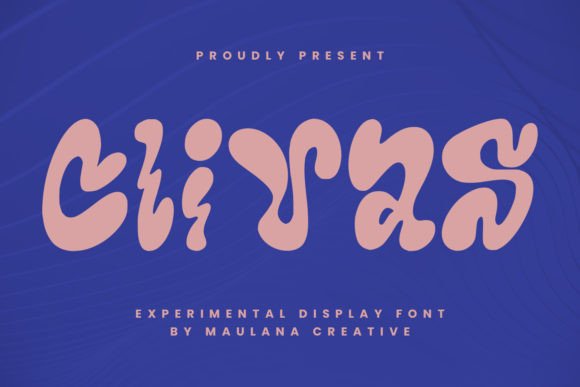
At its core, Clivas is a serif-influenced display typeface with a modern sensibility. The letterforms have a subtle irregularity that gives them warmth and approachability. Think of it as a font that doesn't take itself too seriously but still commands attention. The serifs are present but not heavy-handed, and there's a gentle rhythm in the spacing that makes it feel inviting rather than rigid. It's the kind of typeface that adds a layer of visual interest without overwhelming the content it carries.
Where Clivas Truly Shines
Not every font works in every context, and that's perfectly fine. Clivas finds its sweet spot in projects where you want to inject personality without sacrificing clarity. Here are some areas where this creative font genuinely earns its place in your design assets library.
Logo design and brand identity is one of the strongest applications. If you're building a brand that wants to feel approachable yet distinctive, Clivas offers that balance beautifully. A boutique coffee roaster, an independent bookstore, a handmade ceramics studio, or a creative consultancy could all benefit from the character this typeface brings. It signals creativity and individuality without looking unprofessional.
In editorial design, Clivas works wonderfully for chapter titles, pull quotes, and feature headers. Imagine opening a magazine spread or a blog post where the headline uses Clivas—it immediately draws the eye and sets a mood. It's particularly effective in lifestyle publishing, food writing, travel content, and design-focused publications where visual storytelling matters as much as the words themselves.
Packaging design is another natural fit. Products that want to stand out on a shelf or in an online store benefit from a typeface that feels curated and intentional. Clivas has enough visual weight to anchor a label or box design while maintaining that approachable quality consumers respond to. Artisan goods, specialty food products, and boutique beauty brands would find it especially useful.
For social media graphics and digital content, this display font helps cut through the noise. When every brand is competing for attention in a crowded feed, a distinctive typeface gives your posts a recognizable visual signature. Instagram quotes, Pinterest pins, YouTube thumbnails, and promotional graphics all benefit from a font that stands apart from the generic options most people default to.
The Practical Side of Choosing Clivas
Let's talk about how to actually use this font effectively, because even the best typeface can fall flat with poor implementation.
Evaluate your project fit first. Clivas is a display font, which means it's designed for larger sizes and shorter text blocks. It excels in headlines, titles, logos, and callouts. Where it struggles is in body text. Setting long paragraphs in a display serif like Clivas will hurt readability. Pair it with a clean sans serif font or a straightforward serif font for body copy, and let Clivas handle the moments where you need impact and personality.
Font pairing is everything. Because Clivas has its own character, it needs partners that complement rather than compete. A simple sans serif like a geometric or humanist typeface works well alongside it. The contrast between Clivas's personality and a more neutral companion creates visual hierarchy naturally. Test a few combinations before committing. Set your headline in Clivas, your subhead in a medium-weight sans serif, and your body in a regular weight of the same family. See how they feel together on screen and in print.
Consider your audience and context. A law firm probably isn't the right fit for Clivas, but a creative agency absolutely is. A children's educational brand might find it charming, while a luxury jewelry brand might find it too casual. The font's personality should align with the brand's personality. When there's a match, the result feels effortless and authentic. When there's a mismatch, it creates visual dissonance that undermines trust.
Review the full character set and styles before you start designing. Understanding what's included—alternate characters, ligatures, numeral styles, language support—helps you make the most of the typeface. Some of the best design moments come from exploring features that aren't immediately obvious.
Readability testing shouldn't be skipped. Print out a sample. View it on different screens. Check how it renders at the sizes you'll actually use. A font that looks gorgeous in a specimen sheet at 72 points might lose its charm at 24 points on a mobile screen. Clivas holds up reasonably well across sizes, but your specific application deserves a real-world test.
Licensing matters for commercial work. If you're using Clivas for client projects, merchandise, or commercial products, make sure you have the appropriate license. Most premium fonts come with clear licensing terms, and respecting them protects both you and your clients. It's a small detail that separates professionals from hobbyists.
Building a Consistent Visual Language
One of the most valuable things a distinctive typeface like Clivas brings to a brand is consistency. When you commit to a specific font across your touchpoints—website headers, social templates, printed materials, packaging—you create a visual thread that ties everything together. Over time, your audience begins to recognize that typeface as part of your identity. That recognition builds trust, and trust drives engagement.
Think about the brands you admire. Chances are, their typography is consistent and intentional. The fonts they use feel like a natural extension of who they are. Clivas gives you that opportunity. It's distinctive enough to be memorable but versatile enough to work across multiple contexts without feeling repetitive.
The key is restraint. Use Clivas where it has the most impact, support it with complementary typefaces, and apply it consistently. When you do that, a simple font choice becomes a strategic brand decision that pays dividends in recognition and professionalism.
Whether you're designing a logo for a new startup, laying out a cookbook, creating a social media kit, or building a brand identity from scratch, Clivas deserves a spot in your consideration set. It won't be right for everything, but where it fits, it brings a quality that's increasingly rare in modern typography: genuine personality.