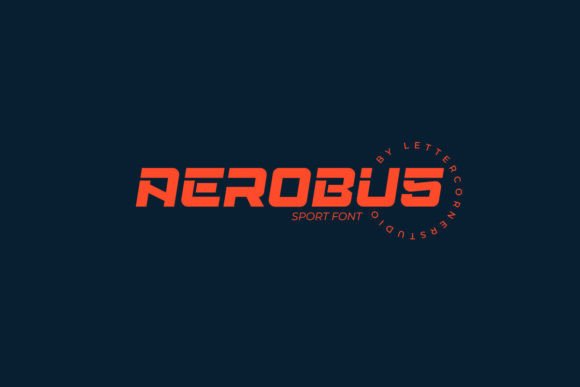
Aerobus: A Display Font with Class and Character
Finding a typeface that balances elegance with a distinct personality can feel like searching for a needle in a haystack. Many premium fonts lean heavily into one quality or the other, leaving your design feeling either too sterile or too whimsical. Aerobus, a contemporary display font, manages to walk this tightrope with remarkable grace. It’s a typeface that doesn’t just sit on the page; it makes a statement, offering a sophisticated yet approachable voice for a wide range of creative projects.
The Anatomy of Elegance: Deconstructing Aerobus
At first glance, Aerobus presents a clean, modern silhouette. Its core design philosophy is built on a foundation of refined details. The tapered terminals—the ends of strokes that don’t terminate in a serif—are carefully shaped to create a sense of lightness and precision. This isn’t a blunt, geometric sans serif; it’s a typeface with subtle, flowing endpoints that guide the eye.
Complementing this are the soft, rounded corners. Where many modern fonts use sharp, abrupt angles, Aerobus opts for a gentler approach. This softness injects a welcoming warmth, making it feel less corporate and more human. It’s a small detail that significantly impacts the font’s overall tone, alluding to a quiet confidence rather than loud austerity.
Perhaps its most defining feature is the spurred edges. These are not traditional serifs, but rather small, sharp projections that emerge from certain junctions. This element is the key to Aerobus’s personality. It adds a touch of unexpected flair, a hint of retro-modern design, and ensures the font stands out from a sea of generic display typefaces. The combination of soft curves and crisp spurs creates a dynamic visual tension that is both intriguing and memorable.
Where Aerobus Truly Shines: Practical Applications
A typeface is a tool, and understanding where a tool works best is crucial for any designer or business owner. Aerobus’s versatile character allows it to excel across numerous applications.
Building a Recognizable Brand Identity
For logo design, Aerobus is a standout choice. Its unique letterforms ensure high recognition, which is the cornerstone of effective branding. Imagine a boutique hotel, a specialty coffee roaster, or a creative agency using Aerobus for their wordmark. The font immediately communicates a blend of style, approachability, and attention to detail. It works beautifully for brand names, taglines, and key messaging in style guides, helping to establish a consistent and professional brand identity.
Commanding Attention in Print and Digital
In editorial design and packaging design, Aerobus can be used for impactful headlines and product names. Its display nature means it’s crafted for larger sizes, where its details can be fully appreciated. A magazine cover, a book title, or the front of a premium product box can leverage Aerobus to convey quality and sophistication. Similarly, in the digital realm, it’s perfect for hero sections on websites, social media graphics, and banner ads where you need to capture attention instantly.
Elevating Personal and Commercial Projects
The utility of this creative font extends to entrepreneurs, bloggers, and crafters. It can lend a polished, professional look to presentation decks, business cards, and event invitations. For content creators, using Aerobus in video thumbnails or podcast cover art can significantly enhance perceived production value. Its friendly yet elegant demeanor makes it suitable for projects ranging from wedding stationery to small business marketing materials.
Making Aerobus Work for You: A Practical Guide
Integrating a new premium font into your workflow requires more than just a download. Here’s how to evaluate and use Aerobus effectively.
Evaluating Fit and Font Pairings
Before committing, consider your project’s core message. Does it align with Aerobus’s blend of elegance and personality? For a luxury brand, it pairs well with a minimalist serif font or a clean sans serif font for body text. For a more youthful, energetic project, you might pair it with a friendly script font or a handwritten font. The key is to let Aerobus command the headlines while a more neutral typeface handles longer paragraphs, ensuring excellent readability.
Understanding the Font Package
When you invest in a commercial font like Aerobus, check the full package. It often includes multiple weights (Light, Regular, Bold) and styles (Italic), which are essential for creating visual hierarchy in your designs. Test these variations to see how they can be used to differentiate subheadings from body copy or to add emphasis. Always review the licensing agreement to ensure it covers your intended use, whether for a single client project or across multiple platforms for your own business.
Testing for Real-World Use
Never judge a font solely from a specimen sheet. Type out your actual business name, a key headline, or a sample sentence. Check how the letterforms interact, especially in tricky letter combinations. Assess its performance at different sizes on screen and in print. This hands-on testing is what separates a good design asset from a great one. Aerobus’s thoughtful design generally ensures strong performance, but due diligence is part of a professional’s process.
In a landscape crowded with typefaces, Aerobus offers a compelling solution for those seeking a display font with both substance and style. Its ability to blend tapered elegance with spirited details makes it a valuable asset for designers, marketers, and creators looking to inject personality and professionalism into their work. By understanding its strengths and applying it thoughtfully, you can leverage Aerobus to craft more engaging, memorable, and effective visual communications.