Eugenia: The Modern Serif Redefining Elegance
There are moments in design when a single typeface can shift the entire mood of a project. It moves from being merely functional to becoming a statement piece, an anchor for visual storytelling. This is the space where Eugenia operates. It is not just another serif font; it is a carefully crafted display typeface that balances classic elegance with a distinctly modern, sculptural sensibility. For designers, brand builders, and creators who seek a touch of refined sophistication without the stuffiness of traditional serifs, Eugenia presents a compelling and versatile solution.
Anatomy of an Elegant Display Font
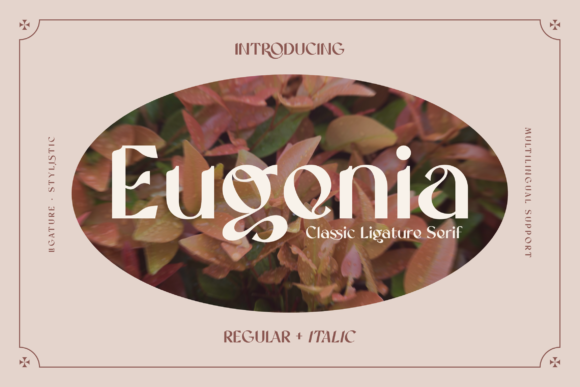
At its core, Eugenia is defined by its smooth, confident curves and a unique, flowing structure. Think of it as a serif font that has shed its rigid, historical constraints. The letterforms possess a gentle fluidity, with terminals that often soften into graceful, rounded endings rather than sharp, abrupt strokes. This creates a rhythm on the page or screen that feels organic and inviting. The visual personality of Eugenia is one of quiet confidence—it’s luxurious without being ostentatious, stylish without trying too hard. It carries an inherent warmth that makes it feel personal and approachable, even as it commands attention in headlines and logos.
This unique character makes it a standout creative font. Unlike a stark, geometric sans serif font or a highly ornate script font, Eugenia occupies a valuable middle ground. It offers the readability and structure of a serif with the contemporary flair of a modern typeface. This duality is its greatest strength, allowing it to adapt to a range of contexts where a font needs to be both beautiful and clear.
Where to Use Eugenia: From Branding to Personal Projects
The true test of any premium font is its application in the real world. Eugenia’s elegant and uniquely shaped design makes it particularly effective in several key areas of creative work.
For logo design and brand identity, Eugenia is a natural fit. Imagine it set for a boutique skincare line, a high-end fashion label, a wedding stationery business, or an artisanal bakery. The font’s smooth curves and distinct letterforms create logos that are instantly memorable and convey a sense of quality and care. It helps build a brand perception that is professional, thoughtful, and aesthetically aware. A brand using Eugenia signals that it values craftsmanship and design, which resonates deeply with discerning audiences.
In editorial design and packaging design, its strengths shine just as brightly. As a headline font on a magazine cover or the title on book packaging, Eugenia draws the eye and sets a sophisticated tone. For product packaging—from cosmetics to gourmet foods—it elevates the entire unboxing experience, turning a simple container into a piece of brand storytelling. The font’s presence on a label or box adds a layer of perceived value and intentionality.
Digital applications are equally promising. While Eugenia is a display font best suited for larger sizes, it can be used strategically in web design for hero sections, site titles, and pull quotes. On social media graphics, it can make quotes, announcements, and campaign visuals pop, helping a brand stand out in a crowded feed. For bloggers and content creators, using Eugenia for featured images or section headers can add a consistent and professional touch to their visual content.
Even for personal projects, Eugenia has a place. Crafters designing custom invitations, hobbyists creating art prints, or anyone working on a heartfelt gift can use this font to add a professional, polished finish. Its elegance makes any project feel more considered and special.
Practical Guidance for Using Eugenia Effectively
Choosing a font is a practical decision. Here’s how to approach integrating Eugenia into your workflow.
First, evaluate the project fit. Ask yourself: does the project require a voice that is elegant, personal, and slightly artistic? Eugenia thrives in contexts that celebrate beauty, craftsmanship, and individuality. It may be less suited for corporate reports, technical manuals, or ultra-minimalist designs that call for a neutral sans serif font. Its personality is strong, so ensure the project’s message aligns with its character.
Next, consider font pairing. A display font like Eugenia rarely works alone in body text. It needs a complementary partner for longer passages of copy. The classic approach is to pair it with a clean, highly legible sans serif. Fonts like Helvetica, Open Sans, or Lato provide a neutral backdrop that allows Eugenia’s headlines to shine without creating visual noise. For a different mood, pairing it with a simple, readable serif can also work, creating a harmonious, all-serif typographic hierarchy. Always test your pairings in context—see how they look together on a mockup of your actual project, whether it’s a business card or a website header.
When you acquire the font, review the included styles and character set. Does it come with weights like Regular, Bold, or Italic? Does it include a comprehensive set of punctuation, numerals, and language support? Understanding what you have to work with ensures you can use the font to its full potential. Check for special features like ligatures or stylistic alternates, which can add unique flair to specific letters.
Readability considerations are paramount. Because Eugenia is a display font with unique, flowing letterforms, it is best used at larger sizes for headlines, titles, and short statements. Avoid using it for small body text, as its intricate details can become difficult to read, especially on screen. Always conduct a readability test at the intended size and in the intended medium (print vs. screen).
Finally, ensure you understand the commercial licensing. If you are using Eugenia for a client project, a product you sell, or a business website, you need a license that permits commercial use. Respect the type designer’s work by using the font within the terms of its license. This is a standard and crucial part of working with professional design assets.
Eugenia is more than just a collection of letters; it’s a tool for shaping perception. By understanding its visual language and applying it thoughtfully, you can add a layer of refined elegance and distinctive character to a wide array of projects, from major brand launches to personal creative endeavors. The key is to use it with intention, pairing it wisely and letting its unique curves do what they do best—command attention with grace.