Hilga: The Modern Serif for Bold Branding
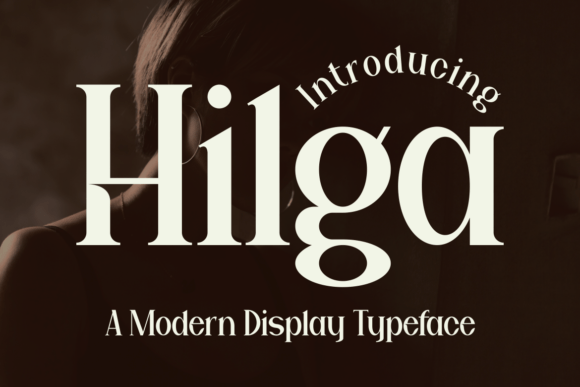
There’s a particular challenge in finding a typeface that feels both contemporary and timeless, one that carries enough personality to be memorable without sacrificing clarity. Hilga is a premium font that navigates this balance with remarkable grace. As a modern display serif, it doesn’t just sit on a page; it commands attention. Its design philosophy seems rooted in the idea of contrast—sharp, confident serifs meet soft, humanistic curves, creating a visual rhythm that feels sophisticated and approachable all at once. For anyone involved in creating brand identity, from logo design to packaging design, understanding a typeface like Hilga is about recognizing its power to set a definitive tone.
The Anatomy of a Versatile Performer
What makes Hilga stand out in a crowded field of serif fonts? Its character is in the details. The letterforms have a sturdy, geometric foundation, giving them a clean, structured appearance. Yet, subtle flares and elegant terminals soften the overall effect, preventing it from feeling cold or overly mechanical. This duality is its greatest strength. It’s a display font built for headlines and impactful statements, but its careful spacing and proportions mean it remains surprisingly legible at smaller sizes for short blocks of text, like captions or pull quotes in editorial design.
The personality of Hilga is confident, modern, and slightly luxurious. It doesn’t whisper; it speaks with clarity and assurance. This makes it an exceptional choice for projects aiming to convey quality, innovation, or refined taste. Think of a boutique coffee brand, a contemporary furniture line, or a tech startup that wants to blend innovation with stability. Hilga provides that visual language. Its modern typography feel ensures it won’t look dated in a year, which is a critical consideration for long-term brand identity work.
Where Hilga Truly Shines: Practical Applications
The real test of any creative font is how it performs across different mediums and contexts. Hilga’s design allows it to adapt fluidly, making it a valuable design asset for a wide range of professionals.
- Logo and Branding: This is Hilga’s home turf. A logotype set in Hilga immediately establishes a brand’s character. Its distinctiveness aids in recognition, while its inherent balance ensures the logo feels professional and trustworthy. It pairs exceptionally well with a clean sans serif font for body text, creating a dynamic and readable font pairing.
- Packaging and Product Design: On a shelf or a website, packaging needs to catch the eye quickly. Hilga’s strong visual presence makes product names and key information pop. Whether it’s on a bottle label, a box, or a hang tag, it communicates quality and intentionality.
- Digital and Social Media: In the fast-scrolling world of social media graphics, a distinctive header font can stop a thumb. Hilga works beautifully for Instagram graphics, Pinterest pins, and website hero sections. Its clarity translates well to screens, ensuring your message isn’t lost in pixelation.
- Print and Editorial: From magazine mastheads to chapter titles in a book, Hilga brings a level of sophistication to editorial design. It’s also perfect for creating impactful quotes, event invitations, or promotional posters where a touch of elegance is needed.
- Commercial and Personal Projects: For entrepreneurs, it’s a tool to build a cohesive brand identity from the ground up. For crafters and hobbyists, it can elevate a personal blog, a wedding invitation, or a custom t-shirt design, adding a professional polish to personal projects.
Making an Informed Choice: Working with Hilga
Choosing a commercial font like Hilga is an investment, so evaluating its fit for your project is a crucial step. Here’s a practical guide to getting the most out of it.
Evaluate the Project’s Core Message: Does your project call for authority, elegance, innovation, or warmth? Hilga leans toward confidence and modern refinement. It may not be the best fit for a project requiring a playful, whimsical, or heavily retro aesthetic. For those, a script font or a handwritten font might be more appropriate. Always start by aligning the font’s personality with your project’s goals.
Test Pairings Thoroughly: Hilga’s strength as a display serif means it should be the star of the show. Pair it with a simpler, highly legible sans serif font for body copy. A combination like Hilga for headings and a font like Montserrat or Open Sans for paragraphs creates a clear visual hierarchy and ensures readability. Avoid pairing it with another strong, ornate serif, as this can create visual competition and confusion.
Check the Included Styles and Glyphs: A robust premium font often comes with multiple weights (Light, Regular, Bold, etc.) and extensive character sets, including alternates, ligatures, and multilingual support. Before purchasing, review the font specimen to see what’s included. These extra features provide flexibility, allowing you to fine-tune the typography for different contexts within the same project.
Prioritize Readability in Context: Test the font in the exact size and medium you plan to use it. A beautiful display font can lose its charm if it’s set too small for a lengthy paragraph on a mobile screen. Use Hilga for headlines, logos, and short, impactful text blocks. For long-form reading, always default to a font specifically designed for body text.
Understand the Licensing: Commercial fonts come with licenses that dictate how you can use them. Ensure the license covers your intended use—whether it’s for a single client project, unlimited print runs, or digital distribution. Using a font outside its license terms can lead to legal issues, so this due diligence is non-negotiable for professional work.
Ultimately, Hilga is more than just a set of letters. It’s a tool for storytelling, a way to inject personality and professionalism into your visual communications. By understanding its character, testing its applications, and pairing it thoughtfully, you can leverage this modern display serif to create work that is not only seen but remembered. It’s about finding the right voice for your project, and in Hilga, you have a voice that is clear, confident, and compellingly modern.